
Gameplay
Core Breathedge 2 gameplay explained: star systems and zones, enemies and combat, oxygen and suit management, exploration and the demo takeaways.
Introduction
Breathedge 2's gameplay is a story-driven space survival adventure with an ironic, comedic tone. At Early Access launch you explore the first major chapter across multiple zones and star systems, each with its own rules, resources and hazards. The core loop combines open-space exploration with survival management: oxygen depletes as you move and work, your suit and health need attention, and everything you do is oriented around scavenging materials to craft, upgrade and repair. Enemies are real and varied — they run, fly, jump and roll across planets and space debris — so combat is a factor even though the game is not a shooter-first experience. Because the sequel is single-player only, all gameplay systems are designed for solo progress. This category explains each core system in practical terms: how exploration works, how oxygen and suit pressure affect your movement, how combat and enemy behavior play out, and which mechanics first shown in the demo carry into the early access build.
Core Gameplay Systems
| System | Role | Key Info |
|---|---|---|
| Open-Space Exploration | Core loop | Travel between zones and star systems with distinct rules |
| Oxygen & Suit | Survival | Manage oxygen, suit and health while scavenging in zero gravity |
| Enemies & Combat | Threat | Enemies run, fly, jump and roll across planets and debris |
| Single-Player | Mode | No multiplayer or co-op — pure solo campaign |
| Demo Systems | Legacy | O2 Station and Afterburner introduced in the demo |
Mechanic Deep Dives
Exploration & Zones
How the sequel structures its world: distinct zones and star systems with unique resources, hazards and visual character.
Oxygen & Suit Management
The survival core: oxygen depletes while working in zero gravity, your suit takes damage and shields you from hazards.
Enemies & Combat
Real enemies that behave differently in space and on planetary surfaces — some run, some fly, some roll.
Demo Recap
What the free demo showed about the core loop: O2 Station construction, Afterburner travel and scavenging ergonomics.
Survival Triangle
Oxygen, suit and health are one connected survival triangle — understanding it prevents the most common early deaths.
Core Mechanics
The gameplay loop of Breathedge 2 starts with movement and survival in zero gravity. You drift and fly through open space, landing on stations, wrecks and planetary surfaces to scavenge resources. Oxygen management is the constant constraint: moving, crafting and exploring all drain your reserves, and running out away from a refill quickly becomes lethal. Your suit provides protection and carries your oxygen, so suit integrity and health are part of the same survival triangle. Exploration connects everything — the world is split into zones and star systems with distinct rules, resources and hazards that force you to prepare before each journey. Enemies add pressure: hostile creatures and robots appear across planets and debris, some charging directly, others flying or rolling unpredictably. Combat uses crafted tools and weapons, and can be avoided or engaged depending on your build. Because the game is single-player, the loop is entirely self-reliant: you gather, craft, repair and explore to overcome each new obstacle, with the immortal Chicken providing comic relief and, occasionally, useful company.
Advantages
The gameplay category helps players understand the sequel's actual mechanics before the systems overwhelm them. Breathedge 2's survival loop is deeper than the original's because of the 2026 direction rework, so knowing exactly how oxygen, suit and health interact saves you from frustrating early deaths. The zone and star system structure rewards planning, and the articles here explain how to read each region's hazards and resource profile before you commit to a long journey. Combat guidance clarifies how to handle the varied enemy movement types using terrain and crafted equipment, which is much more effective than learning by trial and error. And because the game is strictly single-player, the advice is focused and personal — there is no group dependency or meta to chase, just your own survival journey through a comedic, satirical universe.
Challenges
The main challenge of documenting gameplay for an early access title is that mechanics are not final. Systems seen in the demo — such as the O2 Station and Afterburner — may be adjusted by launch, and the 2026 direction rework explicitly changed the focus toward survival and crafting. Some enemy behaviors, oxygen costs and movement physics could shift between patches, so gameplay articles need periodic review. The game also keeps many details hidden by design, and until the community plays the launch build for a while, some mechanics will be described based on official announcements and demo footage rather than exhaustive testing. Treat gameplay articles as verified where they cite the Steam page or official FAQ, and as community-informed where they extrapolate from the demo.
Frequently Asked Questions
How does oxygen management work in Breathedge 2?+
Is Breathedge 2 multiplayer?+
What is the O2 Station in the demo?+
Quick Tips
Always scout a new zone's hazard profile before deep exploration. Different star systems and regions have different oxygen, enemy and resource conditions, and entering blind is how most players lose a fully loaded scavenging run. Read the zone guide, note the refill points and enemy hotspots, and pack accordingly — a few minutes of planning saves hours of recovery time after an early death.
Treat your suit as a second health bar. A damaged suit drains oxygen faster and exposes you to environmental hazards, so repairing it early is almost always better than pushing on with low integrity. Stock repair materials in your inventory alongside oxygen refills, and repair at your workbench whenever you return from a scavenging trip rather than waiting until the suit fails mid-journey.
Learn to read enemy movement instead of panic-fighting. Enemies in Breathedge 2 run, fly, jump and roll in distinctive patterns, and each type has a tell that lets you dodge or counter. Using terrain — debris, wrecks and elevation — makes even the most aggressive enemy manageable with crafted weapons. Practise dodging first, then add attacks, and you will save far more resources than a brute-force approach consumes.
Experiment with the Afterburner for travel during scavenging runs once you unlock it. The demo showed the Afterburner as a fast travel tool that dramatically reduces transit time between resource hotspots. Just remember it consumes fuel or resources every jump, so plan your route as a loop instead of a series of panic hops — efficiency is the real skill in this survival loop.
Featured

Breathedge 2 gameplay: how the demo plays right now
Get a practical Breathedge 2 gameplay overview based on the official demo and trailers. Explore movement, scavenging, and the open-space loop.
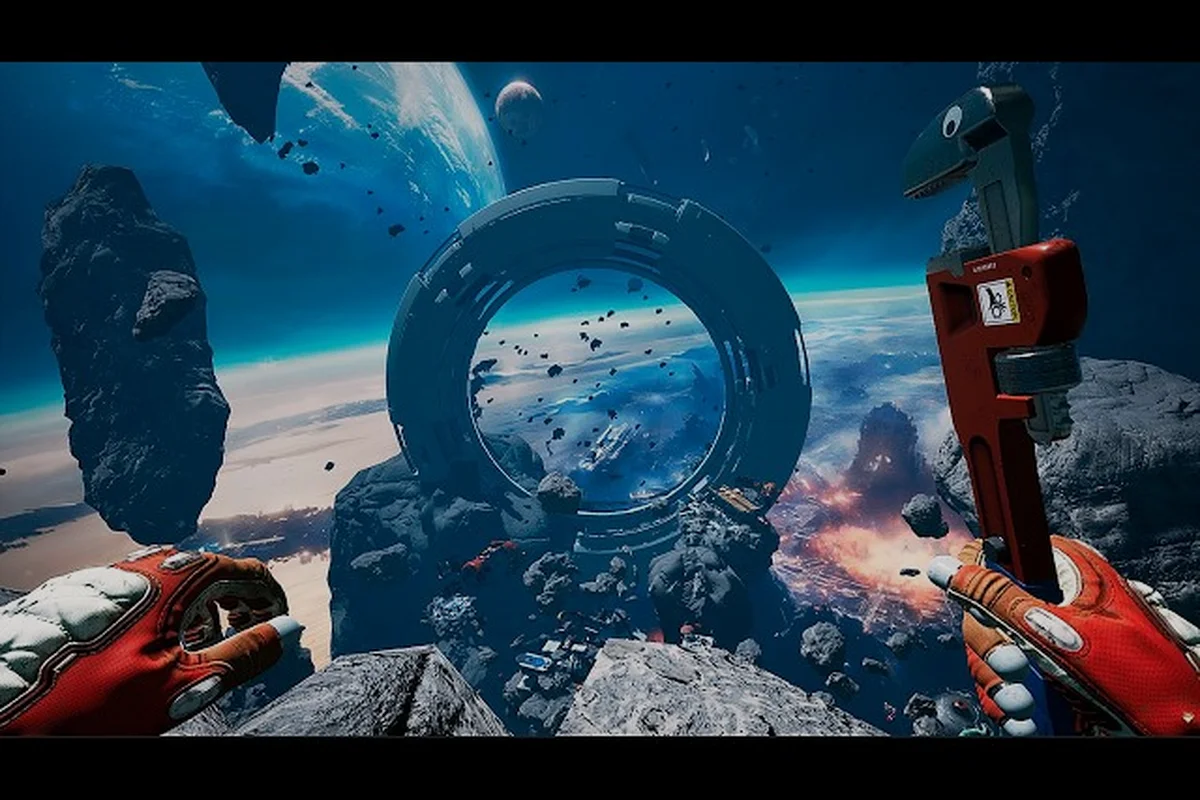
Breathedge 2 survival gameplay: mechanics explained
See how Breathedge 2 survival gameplay works: oxygen, temperature, tools, and the endless scrap loop. This breakdown explains the core systems you manage.
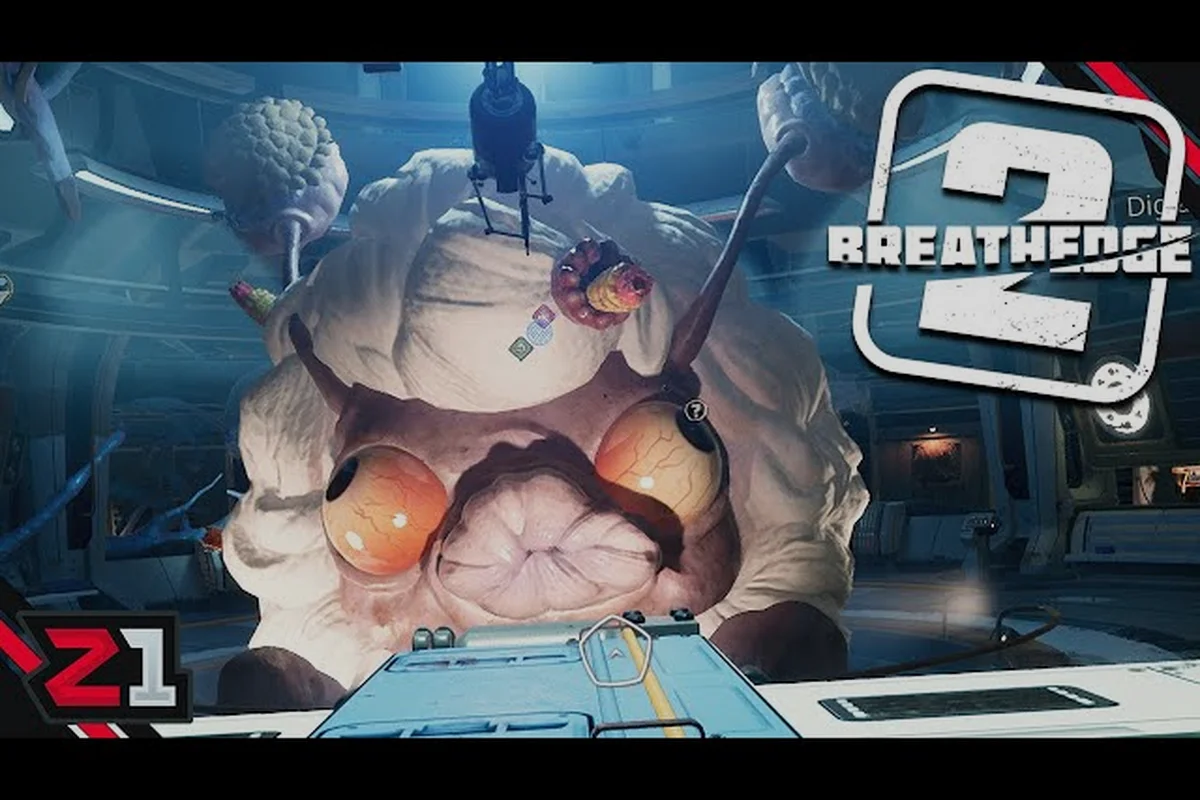
Breathedge 2 boss fight guide: enemy tactics explained
Prepare for the Breathedge 2 boss fight with enemy patterns and tactics. Battle hostile Coffinbots using melee combat, movement, and the environment.
All Articles
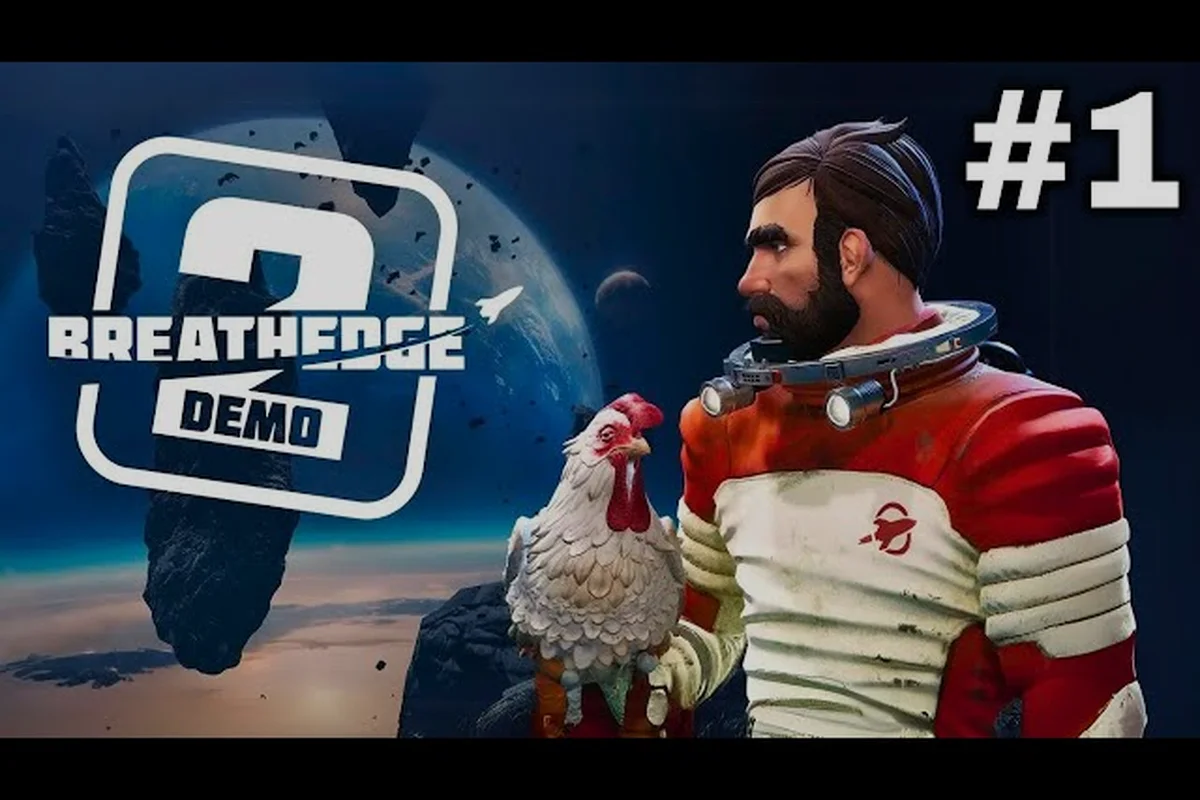
Breathedge 2 single player: everything you need to know
Breathedge 2 is single player only, with no co-op or multiplayer at launch. Read the official confirmation and learn what solo survival means.

Breathedge 2 space suit guide: upgrades and oxygen
Master the Breathedge 2 space suit, your oxygen and temperature lifeline. Learn upgrades, repair, and how the AI companion inside the suit helps the Man.

Breathedge 2 zones: star systems and planets to explore
Plan around the Breathedge 2 zones and star systems you explore in Early Access. The first chapter offers a large area of stations and settlements.
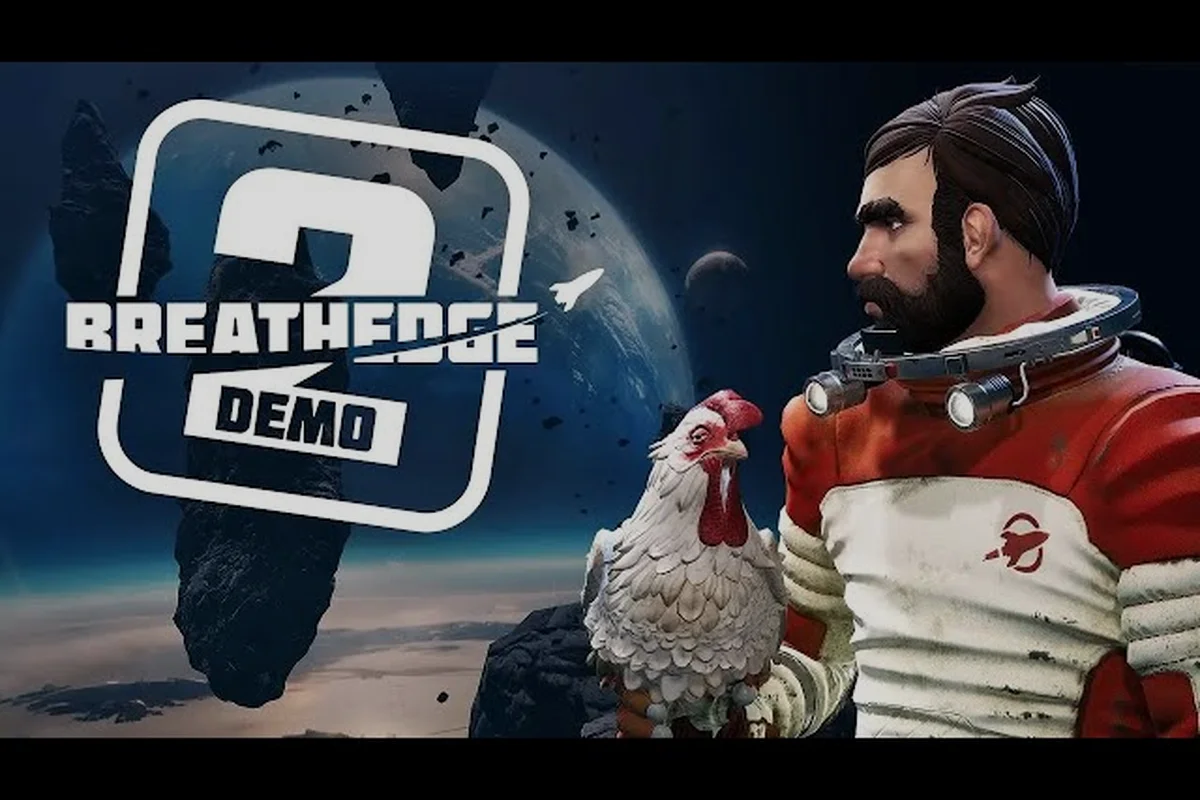
Breathedge 2 multiplayer question answered: it is co-op free
Is Breathedge 2 multiplayer? No, it is a single-player survival adventure on Steam. Here is the official answer and why co-op was not planned.