
The Early Access build of Breathedge 2 gameplay is already showing a much denser loop than the first game, combining open-space scavenging with a surprisingly aggressive enemy roster. Understanding that loop before you buy is the difference between enjoying the first two hours and bouncing off the demo. This breakdown pulls from the official Steam page, the Early Access trailer, and community impressions to map exactly how the systems connect.
Core Breathedge 2 Gameplay Loop Right Now
Coffinbot Swarm Spawn Logic in the Demo's Combat Encounters
The Coffinbot army in the demo escalates via scripted wave triggers tied to the main story chapter, not random patrol spawns. When the Man derails the Corporation's takeover during the first major story beat, the game spawns 3–5 Coffinbots per wave, each requiring two melee strikes to shatter their chassis. Unlike the first game's oxygen-driven panic, Breathedge 2's Coffinbot encounters punish retreat: their lunge tracking remains active across 40+ meters in zero-g, making coverless space corridors the highest-risk zones.
The current Breathedge 2 gameplay loop centers on three linked activities: harvesting wreckage, managing suit resources, and pushing into new star sectors where hostile encounters escalate. Unlike the first game's slow drift through debris fields, the sequel opens with the Corporation already mid-war, which means you are rarely alone in any given space lane. The Steam store page describes the playable Early Access build as including the first major story chapter, core survival systems, crafting, upgrades, repairs, combat, and a large explorable area, which suggests the demo is not a vertical slice but a genuine opening act.
Community impressions from the demo consistently highlight how much faster resource density feels compared to Breathedge. Wreck clusters now spawn functional salvage more often, and the Coffinbot presence pushes you to decide between looting and repositioning. The suit's spacesuit AI companion also feeds you quest context and lore during traversal, which keeps the moment-to-moment pace from feeling like a menu-management slog.
| Loop Phase | Primary Action | Key Resource | Failure State |
|---|---|---|---|
| Approach | Scan wreckage, spot salvage nodes | Suit battery | Missed loot, wasted oxygen |
| Extract | Harvest modules, break containers | Oxygen reserve | Suffocation or ambush |
| Combat | Fight Coffinbots, reposition | Durability + ammo | Suit breach, lost cargo |
| Return | Dock, repair, craft upgrades | Salvage currency | Progression stall |
This structure means exploration is never purely optional: you have to push outward to find the materials that keep your suit viable, while combat encounters force you to spend those same materials on repairs and weapon upkeep. The loop tightens further because Breathedge 2's oxygen supply and suit integrity degrade on separate timers, so a long salvage run through a derelict freighter can leave you limping back with cracked plating and barely enough refined titanium to patch the hull breach before the next enemy patrol arrives. Enemies like the mechanical Void Stalkers compound the pressure by targeting your most damaged modules first, which means hoarding repair kits instead of spending them becomes a death sentence rather than a safety net.
How Exploration Feels in the Open Space Sectors
Breathedge 2 exploration is built around multi-sector travel, and the Early Access build gives you one large area plus optional side locations. The developer's Early Access FAQ confirms that later updates will add planetary surface gameplay and personal spacecraft travel, but the current demo keeps you mostly in zero-gravity and station interiors. That limitation actually helps the exploration read clearly: every navigational beacon, derelict hull, and signal flare now carries a specific function rather than decorative clutter.
The movement toolkit is the strongest part of the current exploration loop. Your suit comes with directional thrusters, a grappling hook, and an inertia dampener that can be toggled for precision work. Community reports say the demo teaches each tool through a short scripted sequence, then drops you into open navigation with no hand-holding. That is a deliberate design shift, because the sequel expects you to chain thruster bursts and hook anchors when crossing gaps between wreckage fields.
-
Signal flares mark optional loot caches and side quest starts
-
Derelict station interiors hide rare salvage modules
-
Navigation beacons unlock fast travel between visited sectors
-
Enemy patrols rotate on timers, so safe routes shift over time
-
Unmarked debris fields often contain crashed shuttle data logs
The spacesuit itself also gates how far you can explore. For a deeper look at how suit durability and oxygen interact with that exploration loop, the Breathedge 2 space suit and survival mechanics breakdown covers hazard tiers and upgrade thresholds.
Combat Systems and the Coffinbot Problem
Breathedge 2 combat is melee-first in the demo, with a strong emphasis on spacing, tool durability, and enemy disruption. You are not a soldier; you are an engineer who happens to be holding a wrench, and the game makes that clear when a Coffinbot lands two hits and your oxygen starts venting. The combat system rewards short engagements followed by retreat, which fits the survival loop better than long arena fights.
The current weapon lineup in the demo is intentionally small. You start with a maintenance wrench, then unlock a pulse cutter and a rivet launcher as your salvage output increases. Each weapon has distinct reach, stamina cost, and armor damage, so switching tools mid-fight is a real decision rather than cosmetic variety.
Weapon Behavior in the Current Demo
| Weapon | Damage Type | Best Use | Drawback |
|---|---|---|---|
| Maintenance Wrench | Blunt, medium | Breaking armor, staggering | Short reach, slow reset |
| Pulse Cutter | Energy, close | Shielded enemies, weak points | High battery drain |
| Rivet Launcher | Projectile, ranged | Softening patrols before melee | Limited ammo, loud |
Enemy variety in the demo is concentrated around the Coffinbot family: basic Coffinbot Drones, shielded Coffinbot Wardens, and the larger Coffinbot Brute that appears at scripted story beats. According to community testing, the Brute functions as an early boss-like encounter, though the official Steam page frames it as a story gate rather than a standalone fight.
Coffinbot Windup Telegraphed Cues
Each Coffinbot type has a readable windup that the demo teaches through repetition. Drones fire short laser volleys that are easy to strafe, Wardens project a frontal energy shield that requires flanking, and the Brute uses a charge grab that can be interrupted with a pulse cutter burst. The combat feels intentionally scrappy, and player reports suggest that panic-dodging drains your oxygen faster than most attacks.
Enemies, Bosses, and the Escalating Threat
The Breathedge 2 enemies roster in Early Access is built around the Corporation's automated army, which means most threats are mechanical rather than biological. That design choice lets the developers tune enemy behavior around predictable patrol routes and telegraphed attacks, while still creating pressure through sheer numbers. The demo's first sector uses three or four Coffinbot archetypes, but the official trailer teases larger war machines and capital ship defenses that will likely appear in later chapters.
Breathedge 2 bosses are not yet a major focus of the demo, but the Coffinbot Brute and a scripted hangar defense sequence give a clear preview of how larger encounters will work. Both fights emphasize environmental interaction: you can vent atmosphere to knock enemies into space, overload power conduits to create hazard zones, or use the grappling hook to reposition to upper gantries.
-
The Coffinbot Brute charges through cover, forcing you to use vertical space
-
The hangar defense sequence spawns waves from two entry points
-
Environmental hazards deal more damage than your early weapons
-
Loot caches in boss arenas reset after the encounter
-
Boss health bars appear only during story-critical fights
Because the demo's boss encounters are story-gated, you will not unlock them through free exploration alone. The main quest line pushes you toward each fight after you reach specific salvage thresholds, which keeps progression readable but reduces early replay variety.
The Demo's Progression Curve and What It Reveals
The current Breathedge 2 gameplay progression is tighter than the first game's, largely because the Corporation's war gives every system an external pressure source. You are not just surviving; you are actively disrupting an enemy that reacts to your presence. The demo's first two hours introduce suit upgrades, weapon unlocks, fast travel, and the crew NPC system, all without pausing the core scavenging loop.
One notable difference from Breathedge is how upgrades are gated. Instead of a single research tree, the sequel splits progression between suit modules, tool enhancements, and ship repairs, each requiring different salvage categories. That forces you to diversify your looting rather than hoarding one resource type. Community data from the demo suggests players who ignore derelict interiors hit a hard wall around the third story mission, because rare alloys only spawn inside those structures.
| Progression System | Unlock Trigger | Impact |
|---|---|---|
| Suit Modules | Salvage thresholds | Oxygen capacity, armor, thruster efficiency |
| Tool Enhancements | Rare alloy deposits | Damage, attack speed, special effects |
| Ship Repairs | Story progression | Fast travel range, storage, crew slots |
| NPC Crew | Side quest completion | Passive bonuses, lore, quest lines |
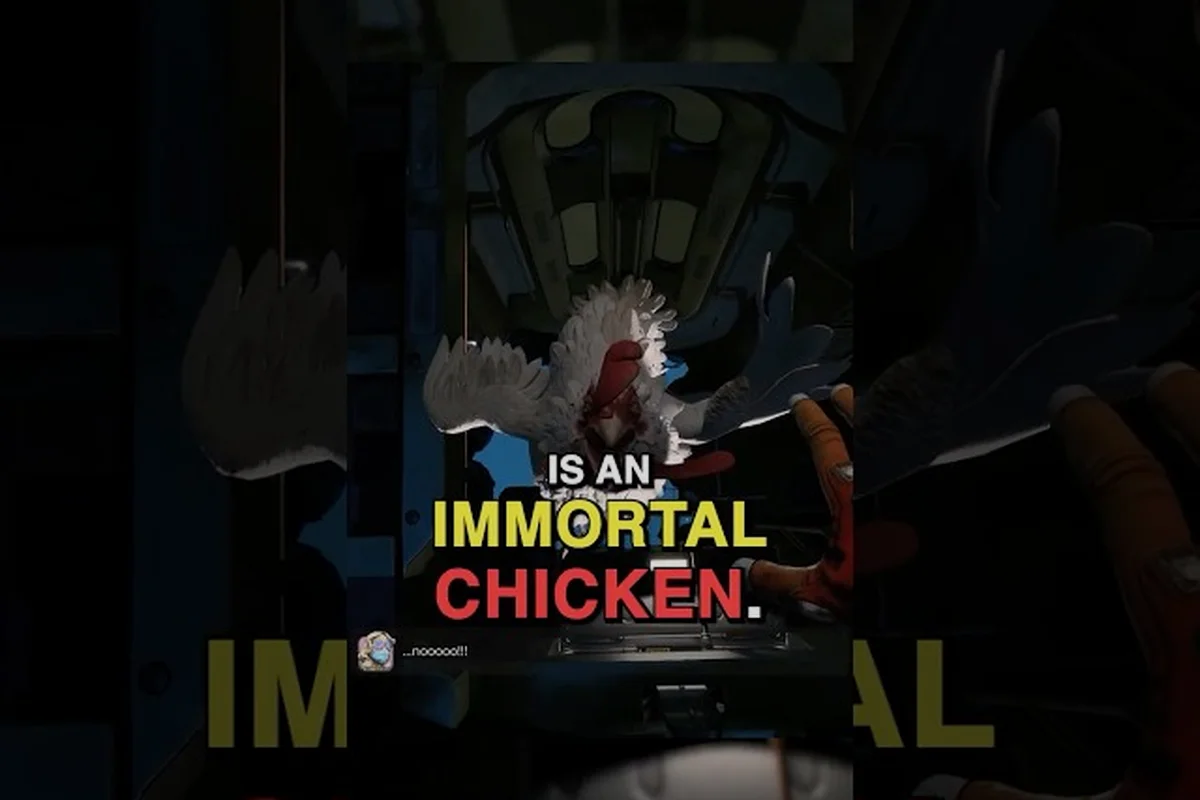
The crew system is present but lightly implemented in the demo. Your spacesuit AI handles most dialogue, while the Immortal Chicken returns as a recurring NPC that the developers use for comic relief and tutorial framing. Full crew management with individual needs and goals will arrive in later Early Access updates.
What the Demo Does Not Show Yet
The demo deliberately withholds several systems that the full Early Access launch will include. Planetary surface gameplay is absent, personal spacecraft piloting is teased but not playable, and the full weapon roster is clearly larger than the three tools currently available. The Breathedge 2 boss fight and open space exploration guide covers the planned encounter structure in more detail.
The official Early Access release date trailer, viewable on GameTrailers' channel, confirms that vehicles, planetary zones, and additional Coffinbot variants are planned for post-launch updates. That roadmap matters because the demo's current loop, while complete, is intentionally scoped to the opening chapter.
How the Demo Compares to the First Game
Players coming from Breathedge will notice the sequel's combat and exploration feel faster, while the humor and crafting systems remain recognizable. The first game's slow oxygen anxiety is still present, but the sequel adds combat pressure and navigational tools that make traversal more active. According to community reports, the demo's tutorial is also shorter, pushing you into open space within ten minutes.
The biggest structural change is the shift from isolated survival to war-time scavenging. In Breathedge, enemies were occasional hazards. In Breathedge 2 gameplay, enemies are a constant presence that shapes your route planning, salvage priorities, and upgrade choices. That single change cascades through every other system.
| System | Breathedge | Breathedge 2 Demo |
|---|---|---|
| Combat frequency | Rare, scripted | Constant, patrolling |
| Exploration tools | Basic thrusters | Hook, dampener, beacons |
| Enemy variety | Minimal | Multiple Coffinbot types |
| Progression gates | Resource-based | Resource + story-based |
| Crew presence | Absent | Light NPC implementation |
The Breathedge 2 survival gameplay and combat system overview expands on how those combat systems connect to the broader survival loop. Specifically, enemy encounters now gate access to oxygen-rich debris fields and salvageable shipwrecks, forcing you to balance vacuum exposure against weapon durability — for example, the improvised nail rifle can clear early derelict husks without consuming suit power, while heavier plasma tools demand battery management that ties directly back to your crafting resource economy.
Frequently Asked Questions
Is Breathedge 2 gameplay multiplayer or co-op?
Breathedge 2 is strictly single-player. The official Early Access FAQ on the Steam page confirms there is no multiplayer or co-op mode planned, which lets the developers balance combat, oxygen, and salvage pacing around one player's decisions without server-side compromises.
How long is the Breathedge 2 demo?
Community reports suggest the playable demo covers roughly two to three hours of story content, including the first major chapter, several side locations, and one boss-like encounter. The full Early Access build at launch expands that with more sectors and quest lines.
Does the demo include planetary exploration?
No. The current Early Access build confines exploration to zero-gravity space sectors and station interiors, so combat with security drones and vacuum-suited raiders happens entirely in EVA or corridor environments. The developer’s roadmap confirms planetary surface gameplay, personal spacecraft piloting, and ground vehicles arrive in a later update.
What weapons are available in the demo?
You can unlock three tools: the maintenance wrench, the pulse cutter, and the rivet launcher. Each weapon serves a distinct role in Breathedge 2 combat, and switching tools mid-fight is often necessary to handle shielded Coffinbot Wardens or heavily armored Brutes.
Will progress carry over from the demo to Early Access?
The demo is a separate build, so progress will not transfer to Early Access. The full Early Access release on August 31, 2026 includes the same opening chapter plus content beyond the demo's endpoint, meaning weapons, suit upgrades, and crafting recipes unlocked during the demo's combat encounters and exploration zones must be re-earned.