
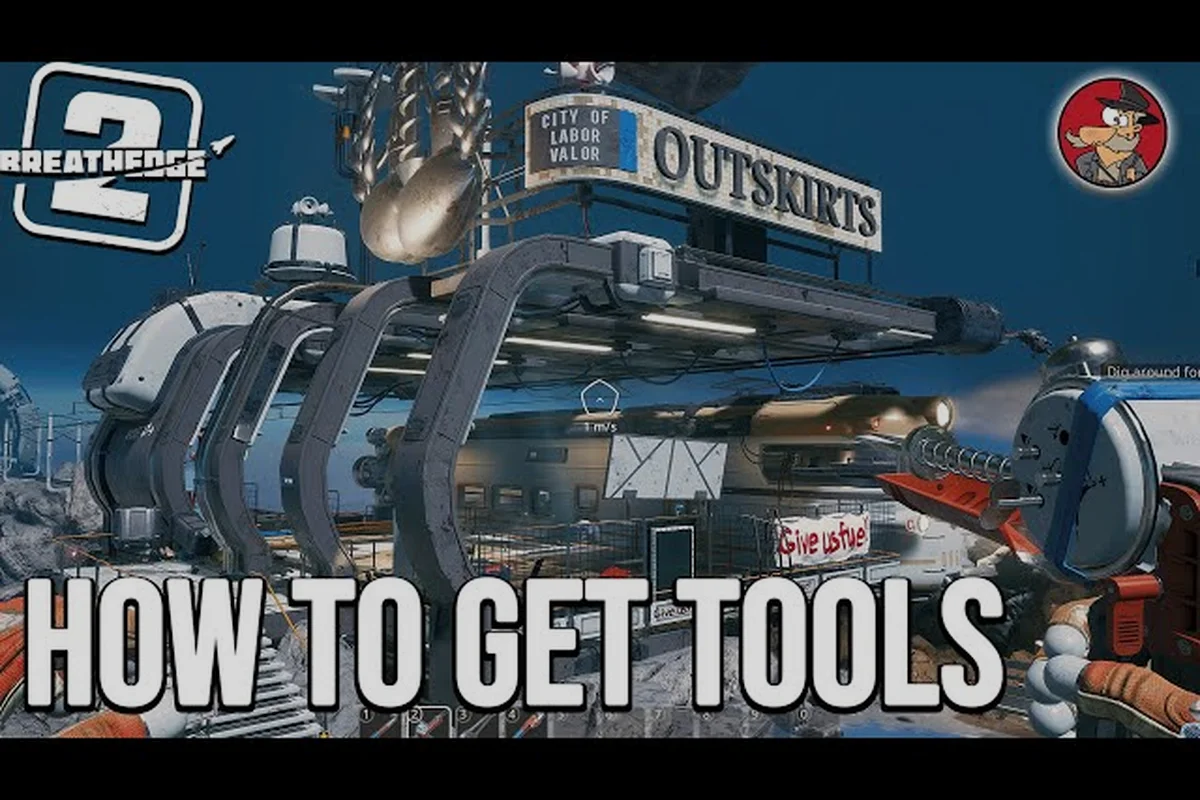
Knowing where to find materials in Breathedge 2 determines whether you spend your first three hours drifting between wreckage or building functional gear immediately. The game's crafting loop rewards players who learn specific gathering routes early, because every Duct Tape roll, Scrap Metal chunk, and rare component feeds directly into your survival ceiling. This guide maps the most efficient material locations, the exact crafting components each item requires, and the upgrade path that keeps your tools relevant through the entire Early Access chapter.
Understanding the Material Economy
Breathedge 2 drops you into a debris field where nearly every object can be dismantled, but not all salvage is worth your oxygen. The core loop revolves around converting Raw Scrap and Junk Components into refined materials that power your tools and suit systems. According to the official Steam page, the developers intentionally built an "ocean of duct tape" and "tons of wreckage" into the environment, which means the game expects you to gather aggressively rather than conserve passively. Community testing shows that a focused 20-minute salvage run through the starting sector yields roughly three times more usable materials than an unfocused 45-minute drift.
Material Rarity Tiers
The game organizes materials into three broad tiers that dictate where you should search and how much risk you need to accept. Common materials appear everywhere — aluminum, ice, and basic polymers litter the starting debris fields around the tutorial airlock — while rare components cluster around dangerous or hidden locations. This tiering directly shapes your tool crafting loop: early repairs only need scrap-tier salvage, but mid-game equipment upgrades demand components like duct tape and reinforced glass, which spawn inside irradiated wreckage or behind breach-cutting puzzles that force you to trade oxygen for loot.
| Tier | Material Examples | Primary Locations | Risk Level | Typical Use |
|---|---|---|---|---|
| Common | Scrap Metal, Wire, Glass Shards | Floating debris, starter station interiors | Low | Basic tool frames, simple repairs |
| Uncommon | Duct Tape, Circuit Boards, Copper Coils | Mid-tier wreckage, locked containers | Medium | Tool upgrades, suit patches |
| Rare | Advanced Alloys, Power Cells, Optics | Hidden caches, derelict ship cores | High | Equipment upgrades, endgame blueprints |
The rarity spread means you will naturally accumulate common materials faster than you can spend them, which creates a false sense of abundance. Players report that the real bottleneck arrives when you start upgrading gear, because uncommon materials like Duct Tape and Circuit Boards drain rapidly. Plan your gathering routes around the tier you currently need rather than grabbing everything indiscriminately.
The Dismantle Priority System
Not every glowing object deserves inventory space, and knowing what to dismantle versus what to ignore saves significant time. The Dismantle Priority System that community players have documented ranks salvage targets by material density per interaction. For example, a single Aluminum Panel yields two Aluminum per dismantle action, while a Broken Crate might grant only one Duct Tape component after three interactions — making the panel nearly three times more efficient when you are farming tool crafting components for early equipment upgrades. This priority matters most during the first two hours, when inventory slots are scarce and every Crafting Component must justify its space before you return to the Breathedge 2 workbench.
-
High priority: Intact machinery panels, electrical boxes, and tool cabinets — these yield multiple refined components in one interaction
-
Medium priority: Hull fragments and structural beams — reliable Scrap Metal sources but slower per-unit yield
-
Low priority: Decorative debris and loose piping — often only one common material with no component bonus
This priority system becomes more important as you venture deeper into the wreckage fields, where oxygen management forces you to choose targets quickly. Experienced players recommend clearing high-priority targets first, then using remaining oxygen for medium-priority salvage only if your inventory has space.
Where to Find Duct Tape Specifically
Duct Tape is the game's signature joke material and also one of its most consistently demanded crafting components. The Breathedge 2 crafting guide covers the full recipe list, but the gathering side requires knowing exactly where this sticky resource spawns. Duct Tape appears in three distinct location types, each with different spawn reliability.
High-Yield Duct Tape Locations
Community data from Early Access players consistently points to the same cluster of high-yield locations. The Maintenance Corridors of the starting station contain multiple rolls tucked into wall panels and under console housings. The Derelict Cargo Pods scattered throughout the debris field often contain two to four rolls each, making them the most efficient dedicated farming spots. Finally, the Crew Quarters Wreckage area features several lockers that respawn Duct Tape on a timer.
| Location Type | Average Duct Tape Per Run | Spawn Reliability | Danger Level | Best For |
|---|---|---|---|---|
| Maintenance Corridors | 3-5 rolls | High | Very Low | Early game stockpiling |
| Derelict Cargo Pods | 2-4 rolls | Medium | Medium | Mid-game dedicated runs |
| Crew Quarters Wreckage | 4-6 rolls | High | Medium-High | Efficient farming with gear |
The spawn reliability column matters because some locations reset faster than others. Maintenance Corridors replenish on a short timer after you leave and re-enter the module, making them ideal for repeated short runs when you need a quick stack of duct tape for tool crafting or equipment upgrades. Cargo Pods, by contrast, require longer reset windows before their loot tables refresh, but when they do spawn, they offer better density — often two to three duct tape drops per pod alongside other crafting components like aluminum and insulating tape. If you are farming for a specific upgrade chain, cycle Maintenance Corridors between Cargo Pod resets to smooth out the downtime.
Duct Tape Conservation Tactics
Because Duct Tape feeds so many recipes, players who burn through it early find themselves stuck waiting for respawns. The most effective conservation tactic is to delay cosmetic or optional repairs until you have confirmed your tool upgrade path. Your first Drill and Cutter upgrades each consume significant Duct Tape, so prioritize those over minor suit patches. The official Steam description emphasizes that crafted items now stay relevant through upgrades rather than breaking after a few uses, which means your initial Duct Tape investment into tools pays off far longer than in the first Breathedge game.
Tool Crafting and Component Requirements
Understanding how to craft tools in Breathedge 2 requires knowing both the blueprint location and the exact material costs. Unlike many survival games, Breathedge 2 gates tool progression behind exploration rather than leveling, so finding a blueprint often means the materials are nearby. The Blueprints you discover in derelict stations unlock both the base tool and its upgrade path simultaneously.
Core Tool Crafting Table
The following table breaks down the primary tools, their component requirements, and where to find the blueprint that unlocks them. Tool blueprints in Breathedge 2 are not granted automatically—most are looted from wreckage containers, reward caches, or story-critical stations, so you will often need to scavenge a specific area before you can even see what components a given tool demands. For example, the Cutting Torch blueprint typically surfaces once you reach the first major debris field, and its crafting recipe calls for refined metal, wiring, and a canister of gas that you must pull from broken fuel lines rather than buying from a trade terminal. Because component availability shifts between early, mid, and late-game zones, use the table to plan your material runs around the blueprint’s source location instead of hoarding generic scrap.
| Tool | Blueprint Location | Primary Materials | Secondary Components | Upgrade Path |
|---|---|---|---|---|
| Repair Tool | Starting station, tutorial area | Scrap Metal x5 | Wire x2 | Efficiency upgrade, range upgrade |
| Drill | Derelict Mining Bay | Scrap Metal x8 | Duct Tape x3, Circuit Board x1 | Speed upgrade, battery upgrade |
| Cutter | Maintenance Hub sector | Scrap Metal x6 | Duct Tape x2, Copper Coils x2 | Damage upgrade, precision upgrade |
| Multitool | Hidden research cache | Advanced Alloys x4 | Power Cell x1, Optics x1 | Modular slots, tier 2 functionality |
The material costs shown reflect base crafting only; each upgrade tier multiplies the component requirement. Players report that the Multitool represents a significant material investment that only makes sense once you have stabilized your common material income and built a reserve of rare components.
The Crafting Workflow
Tool crafting in Breathedge 2 follows a specific workflow that new players often skip, leading to wasted materials. The process starts with Blueprint Discovery, which triggers automatically when you interact with the blueprint object in the world. After discovery, the Material Verification step shows you exactly which components you still need and flags any you are missing. The final Crafting Execution step consumes materials instantly and places the tool directly in your inventory.
The official PC Gamer preview highlighted that the developers removed the annoying degradation mechanic from the first game, meaning crafted tools no longer break after a few uses. This change transforms tool crafting from a maintenance chore into a genuine progression milestone, which is why the material costs feel heavier — you are investing in a permanent asset rather than a consumable.
Upgrade Guide: Efficient Material Routes
Once you understand where to find materials, the next step is optimizing your gathering routes for upgrade materials specifically. The Upgrade Material Route strategy that experienced players have shared focuses on chaining high-density locations together to minimize travel time and oxygen waste.
Route Planning by Material Need
Your route should shift based on which upgrade you are currently pursuing. If you need Circuit Boards for tool upgrades, your route should prioritize electrical panels and computer consoles. If you need Advanced Alloys for suit upgrades, your route should target ship hull cores and reinforced structures.
| Upgrade Target | Priority Materials | Best Route Order | Estimated Run Time | Yield per Run |
|---|---|---|---|---|
| Tool Efficiency | Circuit Boards, Copper Coils | Maintenance Hub → Electrical Bay → Cargo Pod cluster | 15-20 minutes | 6-10 components |
| Suit Armor | Advanced Alloys, Scrap Metal | Hull Fragment field → Derelict Core → Armor cache | 20-25 minutes | 8-12 components |
| Oxygen Systems | Duct Tape, Wire, Glass Shards | Crew Quarters → Maintenance Corridors → Life Support wreck | 12-18 minutes | 10-15 components |
| Weapon Crafting | Power Cells, Optics, Advanced Alloys | Research Cache → Security Station → Deep wreckage | 25-30 minutes | 4-8 components |
The yield per run varies based on your Salvage Efficiency — a hidden metric tied to your tool upgrades that increases the number of components extracted per interaction. Investing in tool efficiency upgrades early creates a compounding advantage, because every subsequent run yields more materials for the same oxygen cost.
Combining Gathering with Exploration
The most efficient players combine material gathering with blueprint hunting, since both activities take you through the same high-density zones. The Breathedge 2 suit upgrades guide details how suit progression opens new gathering areas, but the core principle is that every exploration run should double as a material run. When you venture into a new sector for story progression, bring empty inventory space and tag every high-priority dismantle target on your way.
The official Steam store page confirms that the game includes "plenty of optional locations, events, and assorted junk you will inexplicably feel compelled to pick up" — and that compulsion is actually your best asset. Lean into it, but channel it through the priority system rather than grabbing randomly.
Equipment Upgrades and Advanced Component Hunting
The late-game material hunt shifts from common components to rare resources that gate your most powerful upgrades. Equipment Upgrades in Breathedge 2 require components that only spawn in specific, often dangerous locations, which means you need a clear plan before venturing out.
Rare Component Locations
The rarest materials — Power Cells, Advanced Alloys, and Optics — each have dedicated spawn zones that players have mapped through community testing. For example, Power Cells reliably appear inside derelict shuttle battery banks near the Cryogenic Storage Array, while Advanced Alloys cluster around reinforced hull plating in the Industrial Debris Field. Optics spawn most consistently in shattered cockpit canopies and broken scanner drones. These locations typically feature environmental hazards or hostile encounters — leaking radiation pockets, Security Drones, and vacuum ruptures — making them high-risk but high-reward targets that demand a charged Suit Integrity Module before looting.
| Rare Component | Primary Spawn Zone | Environmental Hazard | Respawn Timer | Notes |
|---|---|---|---|---|
| Power Cells | Derelict Ship Cores | Radiation fields | 45-60 minutes | Often behind locked doors requiring Cutter |
| Advanced Alloys | Reinforced Hull Fragments | Crushing debris movement | 30-45 minutes | Requires Drill to extract efficiently |
| Optics | Research Station Labs | Zero-gravity instability | 60-90 minutes | Spawns in sealed containers, needs multitool |
The respawn timers shown are based on community reports and may vary by platform or patch version as of August 2026. Players recommend marking rare spawn locations on your map once discovered, because the respawn windows are long enough that you will forget exact positions between runs.
The Investment Priority Order
Not all upgrades provide equal return, and spending rare materials on low-impact upgrades stalls your progression significantly. The community-verified priority order for equipment upgrades places Oxygen Efficiency first, followed by Tool Speed, then Suit Armor, with Weapon Damage last for most playstyles.
This order exists because oxygen efficiency directly increases how long you can stay in gathering zones, which compounds into more materials per run. Tool speed reduces the time spent at each dismantle target, which matters when you are clearing high-density areas. Suit armor becomes critical only when you start venturing into hostile territory, and weapon damage matters most for players who prefer combat over avoidance.
Frequently Asked Questions
Where is the best early game spot for Breathedge 2 materials?
The starting station's Maintenance Corridors offer the best early game material density, with reliable Scrap Metal, Wire, and Duct Tape spawns in a low-risk environment. Players report that a single sweep through all corridor sections yields enough materials to craft your first three tool upgrades without needing to venture into dangerous territory.
How often do material nodes respawn in Breathedge 2?
Most common material nodes respawn on a 15-30 minute timer, while uncommon and rare nodes take 45-90 minutes. The exact timers vary by node type and location, but community testing confirms that leaving a sector entirely and returning after the timer window reliably refreshes the spawns.
What is the most important material to stockpile early?
Duct Tape is the most important early stockpile material because it feeds into nearly every tool and suit upgrade recipe. Players who ignore Duct Tape gathering find themselves bottlenecked mid-game, unable to craft upgrades despite having abundant Scrap Metal and common components.
Can I craft tools without finding blueprints first?
No, every tool in Breathedge 2 requires both a discovered blueprint and the required materials. Blueprints are found by exploring derelict stations and hidden caches, and the game automatically unlocks the associated upgrade path when you find one. The official Steam page confirms that learning new blueprints is a core progression mechanic.
Do crafted tools break over time in Breathedge 2?
No, the developers removed the item degradation mechanic from the first Breathedge game, meaning crafted tools now remain permanent once built. According to the PC Gamer preview, crafting an item like a drill is now a significant event, and tools stay relevant through upgrades rather than breaking after a few uses.