
Duct tape solves most problems in Breathedge 2, but knowing which blueprint to craft first matters just as much as having a full inventory. This Breathedge 2 crafting guide breaks down the crafting system, resource priorities, and the most efficient upgrade paths so you stop dying to things you could have prevented. Let’s get your survival loop running smoothly from the moment you wake up in the wreckage.
Understanding the core Breathedge 2 crafting system
The crafting system in Breathedge 2 revolves around gathering raw junk, recycling it into components, and using blueprints to convert those components into tools, equipment, and ship parts. Unlike the first game, item degradation has been toned down, which changes how you think about every build. According to a PC Gamer preview from 2023, the developers removed the annoying durability mechanic where items broke after a few uses, meaning crafted equipment now stays relevant in your sandbox and can be upgraded with expanded usefulness. That shift makes this Breathedge 2 crafting guide even more important, because the order you craft things in has lasting consequences.
The official Steam page describes the Early Access state as including core survival mechanics, resource gathering, crafting, upgrades, repairs, and combat, all set inside a large explorable area. Everything you pick up fits into a material list that feeds the crafting recipes. The system is not a simple one-to-one exchange either: some blueprints demand rare resources from dangerous zones, while others only need basic salvage that you can find within the first hour.
What counts as a resource in Breathedge 2
Most items in the world can be broken down into crafting components. Junk like scrap metal, wiring, and plastic can be recycled at a workbench, while food, oxygen tanks, and crew equipment stay as usable objects. When you open the material list, you will see categories that mirror your inventory: Salvage Materials, Rare Components, Consumables, and Crew Items. Each category feeds a different set of recipes, and some blueprints mix categories in ways that are easy to miss.
| Resource Category | Examples | Primary Use |
|---|---|---|
| Salvage Materials | Scrap Metal, Duct Tape, Wiring | Basic tools, repair, structural parts |
| Rare Components | Antimatter Shards, Reactor Cores | High-tier suit upgrades, ship engines |
| Consumables | Oxygen Refills, Food Rations | Survival needs, crew health |
| Crew Items | Tools, Data Tablets | Crew skill checks, side quests |
Understanding where each resource sits in the list saves you from hoarding the wrong thing. Early on, Duct Tape is almost always worth picking up because it appears in dozens of recipes and is surprisingly scarce when you actually need it.
Blueprints and the recipe unlock flow
Blueprints are earned through story progression, exploration, and occasionally by dismantling enemy tech. The recipe flow starts simple: you learn how to craft a Salvage Drill, then use that drill to harvest better ore, which unlocks more advanced blueprints. The Builder Tool opens up base construction, while the Suit Upgrade Station allows armor and oxygen capacity improvements. Community reports suggest that certain blueprints are tied to optional wrecks, so if you never leave the critical path, you miss some of the most useful crafting recipes in the game.
Early game crafting priorities and resource gathering
Resource gathering and crafting priorities go hand in hand in the opening hours. You cannot craft advanced gear until you have the right tools to harvest it, which means your first few crafting decisions should focus on throughput. The starting drill is slow, and your oxygen capacity is tiny, so every trip outside the shelter has a strict time budget.
| Priority Tier | Blueprint | Why It Matters |
|---|---|---|
| First 30 minutes | Salvage Drill | Unlocks faster harvesting of metal and ore |
| First hour | Oxygen Tank Upgrade | Extends time away from the shelter |
| Second hour | Builder Tool | Enables base building and repair stations |
| Third hour | Suit Armor Plating | Reduces damage from environmental hazards |
Your Breathedge 2 resource gathering strategy should always target materials that feed the next blueprint on this list. If you unlock the Builder Tool but have no duct tape reserved for it, you will need to backtrack to early wrecks. Player experience from Early Access forums suggests that holding at least ten duct tape and twenty scrap metal at all times removes most progression blockers in the first act.
Where to find early materials fast
The starting sector is a graveyard of ship wreckage, which is good news because it is packed with salvage. Wandering debris fields behind the main wreck contain loose wiring and plastic panels that do not require a drill. For metal ore, look for cracks in asteroid surfaces that glow with orange veins. The Mining Pod wreck near the narrative checkpoint has a set of storage containers that respawn salvage on a timer according to community testing, making it a solid farming spot when you need raw resources quickly.
The material list trap: what NOT to hoard
Not everything in the material list deserves inventory space. Raw ore is heavy, and some crafting components like Rubber Tubing pile up faster than you will ever use them. Store overflow in a nearby container or use it immediately to craft consumables. Hoarding every piece of scrap slows you down and makes resource gathering feel like a chore. The Breathedge 2 crafting system rewards targeted harvesting over packrat behavior, so keep a mental list of the next three recipes you want and collect only what feeds them.
How to get rare resources and special crafting components
Rare resources are the gatekeepers of the Breathedge 2 crafting system. They appear in areas that require upgraded gear to reach, such as cold zones that drain your suit heat, radiation pockets, or high-velocity debris corridors. The crafting recipes for top-tier suit modules and ship components intentionally demand these rare resources so that progression feels meaningful.
| Rare Resource | Where to Find | Required Prep |
|---|---|---|
| Antimatter Shards | Derelict research stations, glowing debris | Radiation shielding |
| Reactor Cores | Abandoned ships, deep mine shafts | Reinforced suit, higher oxygen |
| Thermal Cells | Ice caves, cold wrecks | Thermal suit module |
| Quantum Residue | Anomaly events, rare containers | Scanning module, combat readiness |
Turning rare finds into high-tier blueprints
Once you have a rare resource, do not spend it on the first recipe that accepts it. Check each blueprint’s output and compare the long-term value. The Reactor Core can be used for a suit power upgrade or a ship engine module, and the engine module is usually the better investment because it expands your access to new areas, which leads to even more rare resources. Community data indicates that most players who rush the suit upgrade end up grinding Reactor Cores again later, while engine-first players reach the next sector sooner.
Crafting recipes checklist and upgrade strategy
A practical Breathedge 2 crafting guide needs more than theory, so here is a recipe checklist that covers the most significant early and mid-game items. The list is based on what the Early Access version offers, and the exact material costs may shift as the developers balance the game.
| Craftable Item | Main Materials | Unlock Source |
|---|---|---|
| Salvage Drill | Scrap Metal, Duct Tape | Starter blueprint |
| Oxygen Tank Mk. II | Aluminum, Rubber Tubing | Story progress |
| Thermal Suit Module | Thermal Cells, Wiring | Exploration |
| Ship Engine Booster | Reactor Core, Metal Plating | Optional wreck quest |
| Advanced Builder Tool | Antimatter Shards, Copper Wiring | Suit upgrade station |
Why the Salvage Drill is still worth upgrading
The Salvage Drill stays relevant far longer than you expect. Upgraded versions mine faster, use less energy, and can break tougher ore veins that block shortcut paths. Since durability loss is no longer part of the equation, every upgrade is a permanent improvement that keeps paying off. Prioritize drill upgrades whenever you have spare metal, because faster harvesting shortens every resource gathering loop and indirectly accelerates all other crafting.
Building priorities inside your base
Base building consumes a lot of the same materials as equipment crafting, so you need a clear upgrade strategy. A Repair Station should come before decorative base modules because it lets you fix tools and suit parts without returning to the starting wreck. Next, add a Storage Rack to expand your total inventory, then a Workbench Mk. II for faster recipe processing. If you plan to explore with crew members, check the crew management guide to see how their roles affect what you should craft and who should carry it.
How to get resources without leaving the base
Later in Early Access, you can build automated collectors that harvest nearby ore slowly over time. These structures require mid-tier materials and a few rare resources, but the passive income is worth the investment. Community players who set up collectors near the starting wreck report that the trickle of resources covers basic Oxygen Refills and repair costs, which reduces the need for dangerous farming runs. For a deeper look at where specific materials spawn, the Breathedge 2 resource locations guide pairs nicely with this crafting overview.
Crafting melee and survival tools for combat scenarios
Crafting is not just about base building and suit upgrades; it also feeds your combat options. While the survival gameplay loop focuses on oxygen and resource gathering, you will eventually face hostile creatures, especially when you venture into wreck interiors. Craftable weapons and defensive tools give you alternatives to running away, and some recipes are specifically designed to counter environmental threats.
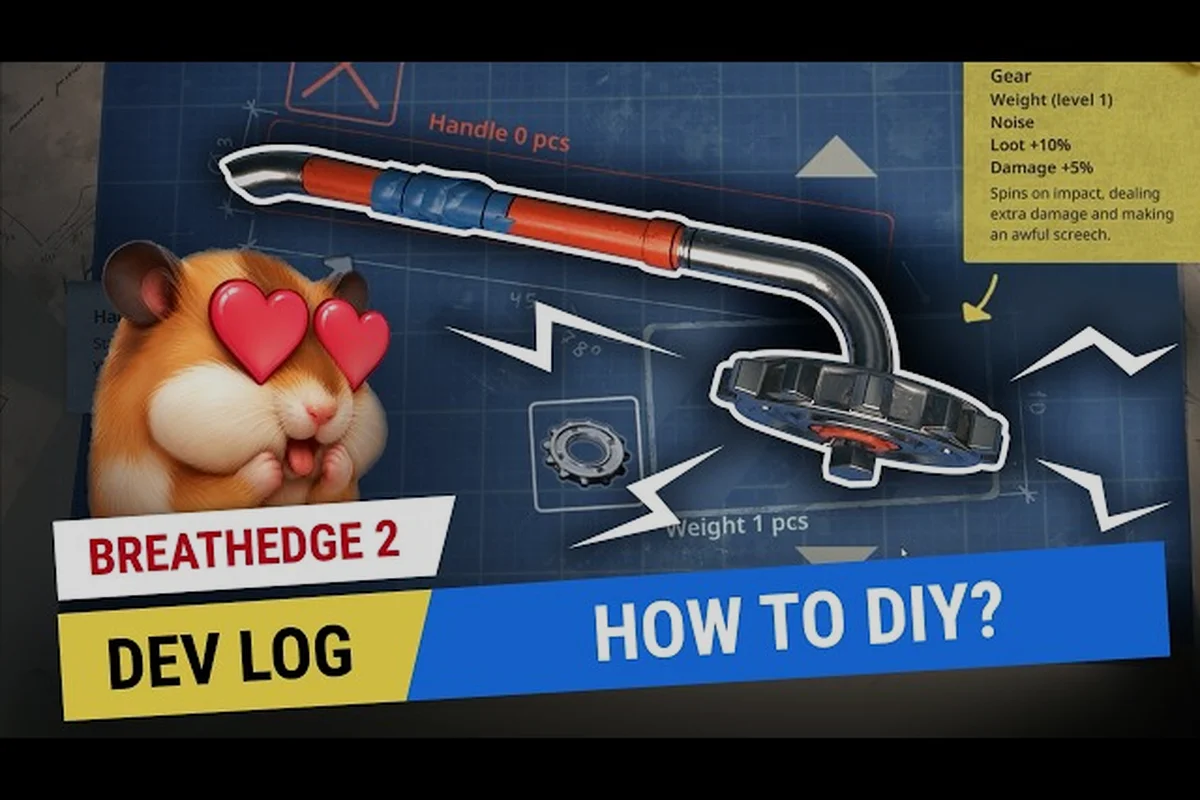
The Stun Baton is the most efficient early weapon blueprint because it requires common materials and applies a stun effect that gives you breathing room against fast enemies. The Blade Gauntlet does more damage but costs rare components that might be better spent on suit modules, so think about your playstyle before committing. Craftable Flares are cheap and can be thrown to distract creatures, which is a lifesaver in tight corridors, while Air Mine blueprints allow trap-based strategies that reward planning over reaction time.
| Combat Tool | Materials | Best Use Case |
|---|---|---|
| Stun Baton | Scrap Metal, Wiring | Crowd control in corridors |
| Retractable Blade | Rare Alloy, Duct Tape | High damage against single targets |
| Flares | Phosphor, Tin | Distraction and zone denial |
| Air Mine | Metal Plating, Explosive Gel | Ambush setups, doorway traps |
If you plan to take down bigger threats, the Breathedge 2 survival gameplay guide explains enemy behavior and the crafting synergies that make certain tools far stronger than their stats suggest.
Frequently Asked Questions
What is the best first thing to craft in Breathedge 2?
The Salvage Drill is the best first craft because it directly accelerates resource gathering, which is the foundation of the Breathedge 2 crafting system. Without it, ore harvesting is painfully slow and every later blueprint becomes a grind. Get it early, then upgrade it as soon as possible.
How do I unlock new crafting recipes in Breathedge 2?
New recipes unlock through story progression, exploring optional wrecks, and dismantling enemy tech. Some blueprints appear at the Suit Upgrade Station after you upgrade core equipment, while others require finding data tablets in hidden locations. Community reports suggest that leaving the critical path is the best way to discover the full recipe list.
Where can I find rare crafting resources such as Reactor Cores?
Rare resources like Reactor Cores are concentrated in derelict ships, deep mine shafts, and radiation pockets. You need upgraded suit protection to survive those zones. Try to pair rare resource runs with explorer missions that put you near the same locations so you do not waste extra breathing time and consumables.
Does item durability still affect crafted tools?
No, the developers removed the degradation mechanic that made items break after a few uses. Crafting a tool like a drill is now a significant milestone because it stays useful and can be upgraded. This makes the crafting order in this Breathedge 2 crafting guide far more important, since every build remains a long-term part of your kit.
Can co-op partners share resources?
Not yet — Breathedge 2's Early Access build is strictly single-player, so there are no co-op partners to share resources with. Your crew members fill that role instead: they carry materials, work crafting stations, and each role benefits from different crafted equipment. Check the crew management guide to see which gear boosts which crewmate.